The Real Cost of "Free" Services
Have you ever wondered how a free email service, social network, or news website stays in business? The answer is almost always the same: your data. If you are not paying for a product, the product is your information. This is not a conspiracy theory — it is the fundamental business model of the modern internet.
Understanding how your data is collected, what happens to it, and who profits from it is the first step toward taking back control.
How Your Data Is Collected
Data collection happens through multiple mechanisms, often simultaneously:
- Form submissions: Every time you fill out a sign-up form, survey, or checkout, you provide direct data.
- Tracking pixels: Invisible 1x1 images embedded in emails and web pages that log when and where you opened the content.
- Cookies: Small files stored in your browser that track your activity across websites over time.
- Device fingerprinting: A combination of browser and device attributes that create a unique identifier without cookies.
- Social login integrations: When you "Login with Facebook," Facebook receives data about your activity on the third-party site.
Who Buys Your Data?
Advertisers and Ad Networks
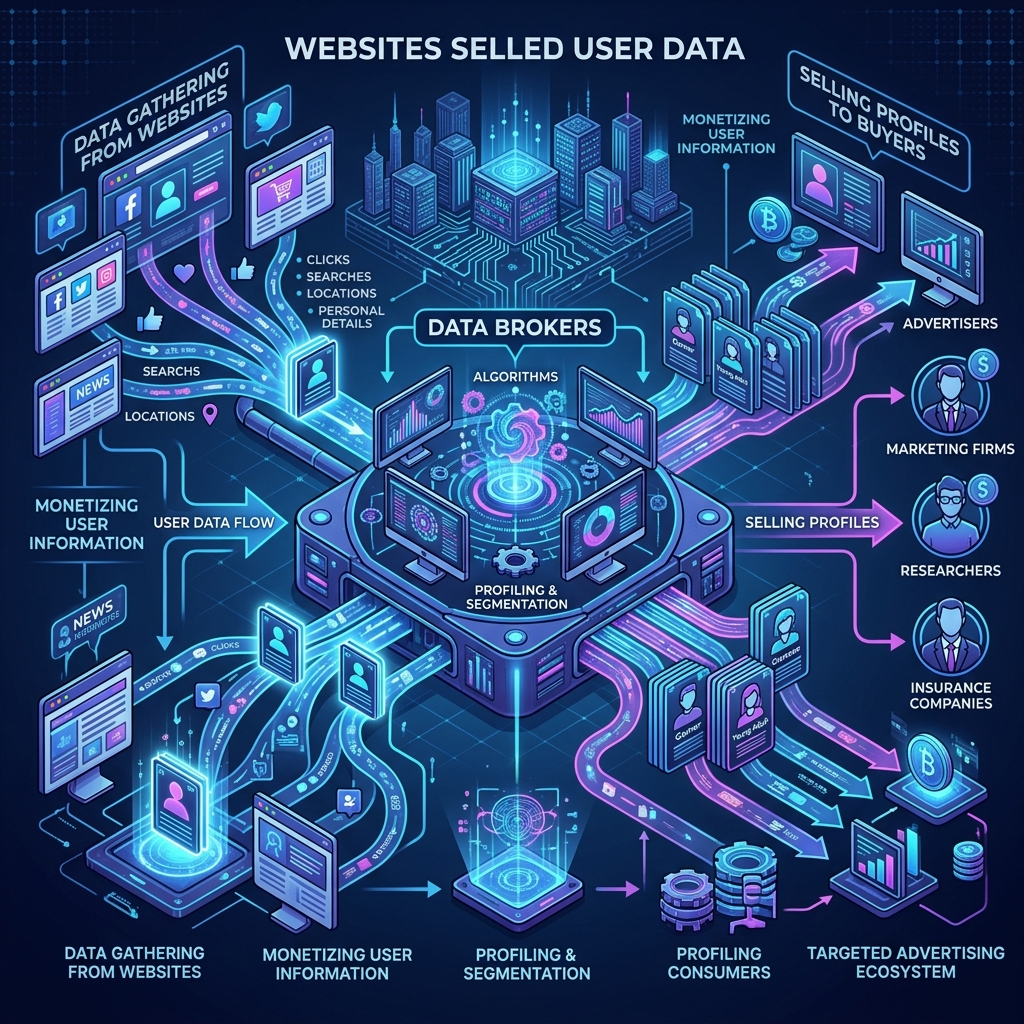
The largest buyers of consumer data are advertising companies. They use your behavioral data — sites you visit, products you view, content you engage with — to deliver targeted advertising. This is why a shoe you browsed on Monday appears in ads for weeks afterward.
Data Brokers
Data brokers are companies whose entire business is aggregating personal data from hundreds of sources and reselling it. Major data brokers maintain profiles on hundreds of millions of individuals, including name, address, income, health conditions, political affiliation, and purchasing behavior. This data is sold to employers, insurers, marketers, landlords, and sometimes, to criminals.
Insurance Companies and Employers
Insurers and employers sometimes use data broker reports to assess risk. While this practice is heavily regulated in many jurisdictions, enforcement is inconsistent and the data industry frequently operates in gray areas.
Why Your Email Address Is Particularly Valuable
Your email address is a persistent identifier — it doesn't change when you switch devices, clear cookies, or move. This makes it the most reliable way to track you across services and time. When you give your real email address to any website, you are potentially linking your identity to everything that website knows about you, which can then be sold or shared.
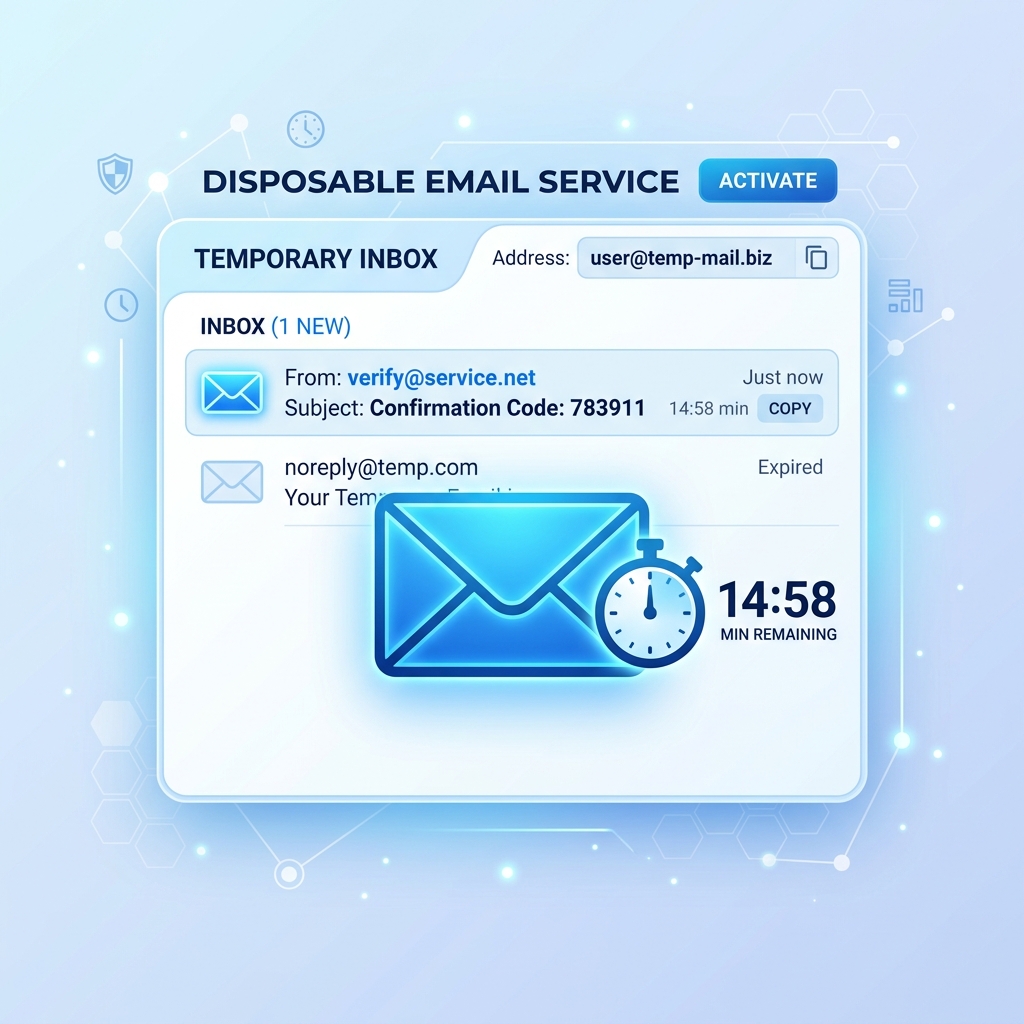
This is why using a temporary email address for non-essential sign-ups is one of the most powerful data protection steps you can take. Without your real email, companies cannot build a persistent profile linked to your identity. Learn more about why temporary emails matter in our 2026 guide to disposable email addresses.
Your Legal Rights Over Your Data
Depending on where you live, you may have significant legal rights over your personal data:
- EU/UK (GDPR): Right to access, correct, delete, and port your data. Companies must obtain explicit consent before processing personal data.
- California (CCPA/CPRA): Right to know what data is collected, opt out of sale, and request deletion.
- Brazil (LGPD), Canada (PIPEDA), and others: Similar frameworks with varying enforcement and scope.
Exercise your rights. Contact major data brokers and request the deletion of your profile. Services like DeleteMe or privacy tools built into modern browsers can help automate this process.
Practical Steps to Limit Data Collection
- Use a temporary email for all non-critical sign-ups.
- Install a browser tracker blocker (uBlock Origin, Privacy Badger).
- Opt out of targeted advertising in every platform's settings.
- Read privacy policies for services you trust with sensitive information.
- Periodically search your name and email on data broker sites and submit removal requests.
- Use a VPN to prevent your ISP from logging and selling your browsing history.
Conclusion
The data economy is not going away, but you are not powerless within it. By understanding how your information is collected, who profits from it, and what legal rights you hold, you can make informed choices that significantly limit your exposure. Start with the simplest step: use a temporary email for your next sign-up and keep your real identity out of the data broker ecosystem.