The Global Push for Digital Privacy
For the first two decades of the mainstream internet, personal data was treated like the Wild West. Tech companies, advertisers, and data brokers harvested user information with almost zero oversight or accountability. However, in recent years, a global shift has occurred. Governments around the world have recognized that digital privacy is a fundamental human right, leading to the creation of sweeping data protection frameworks. The most famous of these are the European Union's General Data Protection Regulation (GDPR) and the California Consumer Privacy Act (CCPA), but similar laws are now emerging globally.
While these laws are complex legal documents filled with hundreds of pages of regulatory jargon, their core purpose is actually quite simple: to return the control of personal data back to the individual. You do not need a law degree to understand how these regulations impact your daily online life; you just need to understand the basic principles they enforce.
Core Principles Shared by Major Privacy Laws
Whether you are protected by GDPR in Europe, CCPA in California, or similar emerging frameworks in other regions, the overarching philosophies remain consistent. These laws mandate that companies handling your data adhere to strict guidelines.
- The Right to Know (Transparency): Companies can no longer hide their data collection practices deep within unreadable, 50-page Terms of Service agreements. They must clearly explain—in plain language—what data they are collecting, why they need it, and exactly who they intend to share it with or sell it to.
- The Right to Access and Portability: You have the legal right to ask a company, "What information do you have on me?" The company is obligated to provide you with a copy of your personal data file. Furthermore, they must often provide it in a format that allows you to easily transfer it to a competing service.
- The Right to Erasure (The Right to be Forgotten): This is perhaps the most powerful tool given to consumers. If you decide you no longer want a company to hold your data, you can request its complete deletion. Unless the company has a superseding legal obligation to retain it (like for tax records or law enforcement investigations), they must permanently wipe your profile from their servers.
- Data Minimization and Purpose Limitation: Companies are only allowed to collect the absolute minimum amount of data required to provide their service. A simple flashlight app on your smartphone, for example, cannot legally demand access to your GPS location and contact list, because that data is entirely irrelevant to its function.
The Burden of Enforcement Falls on the User
While these laws are powerful on paper, the reality of the internet is that enforcement is challenging. Regulatory bodies cannot police every single website on the planet simultaneously. Many smaller websites, or entities operating in jurisdictions with weaker laws, routinely ignore these privacy mandates.
A Common Scenario: The Unsubscribe Maze
Consider a scenario where you sign up for a niche newsletter. Months later, you realize they have sold your email to third-party marketers, and your inbox is overflowing with spam. Under privacy laws, you have the right to demand they delete your data and stop sharing it. You send the formal data deletion request. However, the company is based overseas, ignores your email, and continues to spam you. Legally, they are in the wrong, but practically, you are still the one dealing with a ruined inbox.
Taking Privacy Into Your Own Hands
Because you cannot always rely on companies to play by the rules, the best defense is to minimize the amount of data you hand over in the first place. This concept is known as proactive data minimization.
If a website never has your real data, they cannot lose it in a breach, they cannot sell it to a broker, and you never have to navigate complex legal requests to force them to delete it. This is where privacy-enhancing tools become essential.
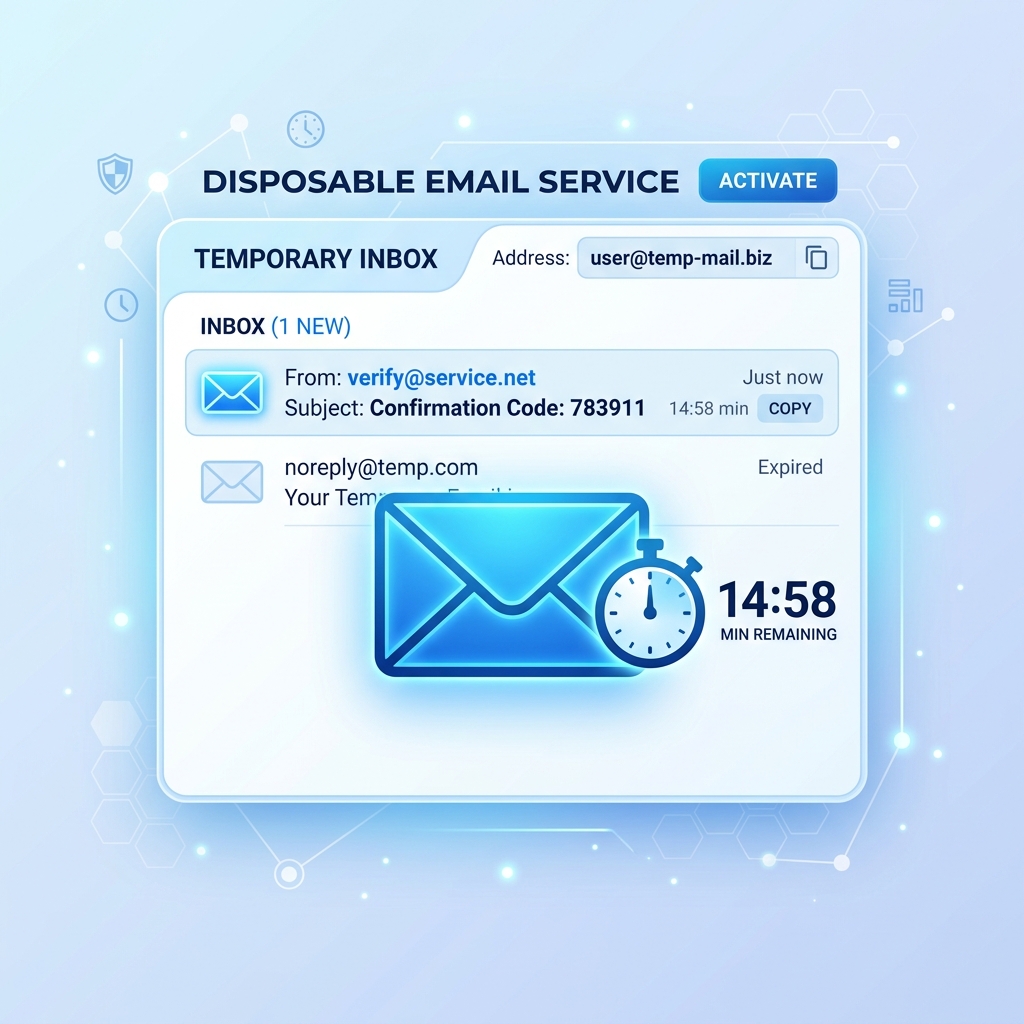
- Use Disposable Emails for Untrusted Sites: Instead of trusting a random website to respect your privacy rights, simply remove the risk. By using a disposable email service like Tem-pmail for one-off registrations, downloads, or trials, you keep your real email address entirely off their servers. If they turn out to be bad actors, they only possess a temporary address that has already ceased to exist.
- Limit Social Logins: Avoid using "Log in with Facebook" or "Log in with Google" unless absolutely necessary. These single-sign-on features often share far more data between the platform and the third-party site than a standard email registration would.
- Audit Your App Permissions: Regularly review the permissions granted to apps on your smartphone. Revoke access to the microphone, camera, and location for any app that does not strictly require it to function.
Conclusion: Privacy as a Habit, Not Just a Right
Data privacy laws like the GDPR and CCPA represent a massive step forward in consumer protection. They provide the legal framework necessary to hold negligent companies accountable and give users the right to reclaim their digital footprint. However, laws are reactive; they only help after your data is already out there. By adopting proactive privacy habits—such as aggressively limiting what you share and utilizing tools like temporary emails to mask your identity—you can ensure your personal information remains exactly that: personal.