Addressing the Safety Question Directly
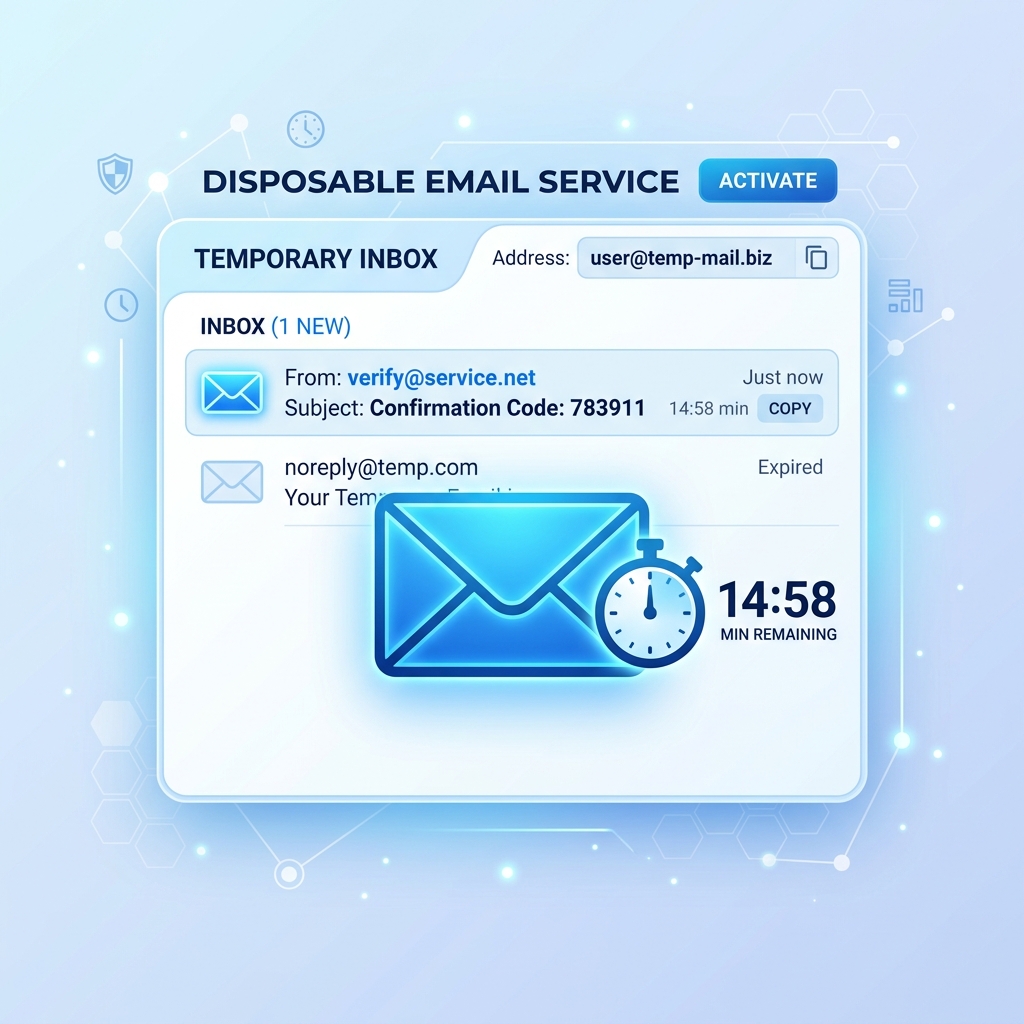
The short answer: Yes, using a temporary email service is safe for the vast majority of use cases. However, "safe" has multiple dimensions — safe for your privacy, safe from attackers, and appropriate for the context. This article breaks down each dimension so you can use temporary email services with confidence.
Safety Dimension 1: Privacy
Is your data private when using a temp email?
Reputable temporary email services are designed to protect your privacy by:
- Requiring no registration — no name, phone number, or payment information
- Storing emails only temporarily and deleting them automatically
- Not associating your real identity with the generated address
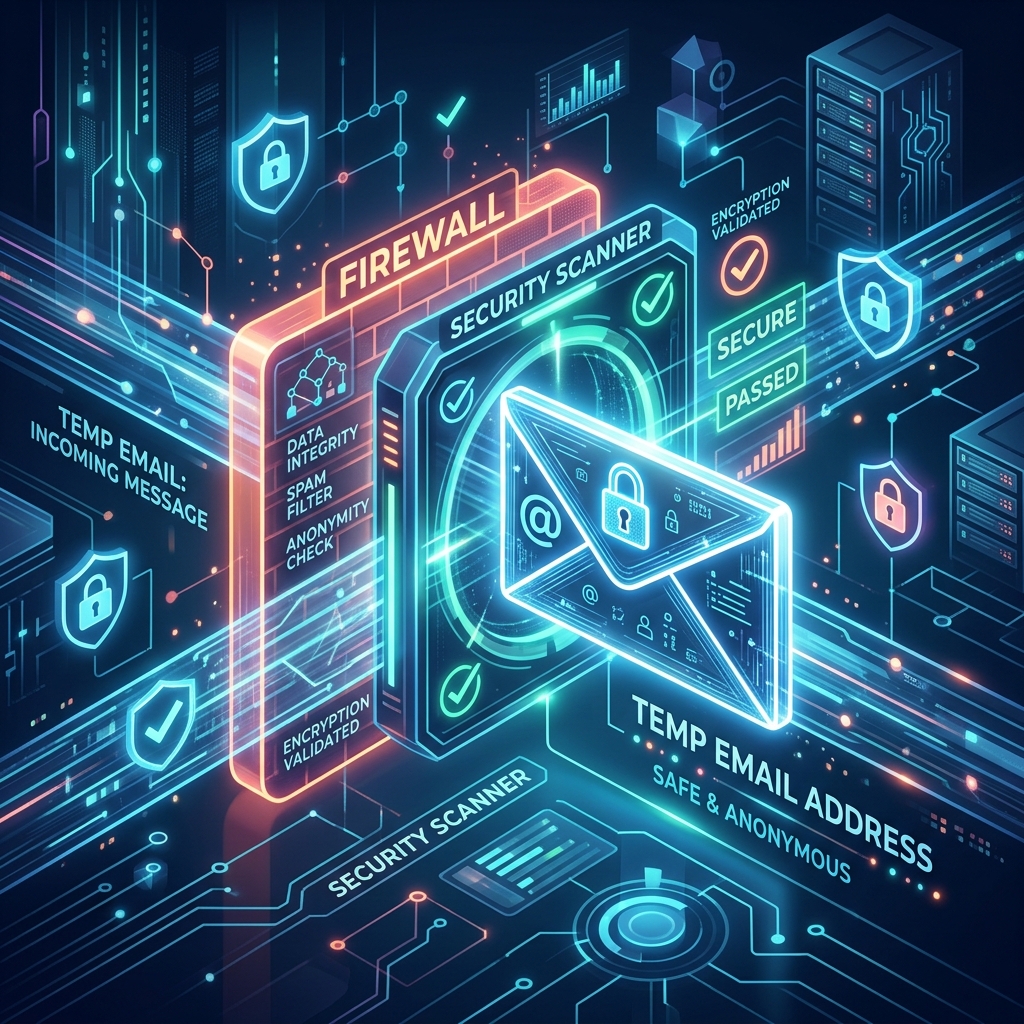
- Using HTTPS to encrypt traffic between your browser and the service
However, it is important to understand that emails sent to a temporary address are received and briefly stored by the service's servers before being displayed to you. This means the service technically has access to those emails while they exist. Never use a temp email to receive sensitive information like passwords to important accounts, medical results, or financial documents.
Safety Dimension 2: Security
Can someone else read your temp inbox?
This is a legitimate concern. Most basic temporary email services are publicly accessible — meaning anyone who knows your temporary address can view the inbox. Unlike a personal email account, there is no password protecting access.
For this reason, temporary emails are suitable only for:
- Receiving one-time verification codes (check it once, immediately)
- Signing up for services where the account has low sensitivity
- Downloading resources or accessing content
They are not suitable for accounts where ongoing email access matters or where the emails contain sensitive personal information.
Can hackers use temp emails against me?
The temp email service itself is not a vector for attack against you. You are not installing software or providing personal data. The risk flows in the other direction — from services you sign up for using the temp address. If that service is malicious, they can only reach the temporary inbox, not your real identity.
Safety Dimension 3: Legality
Is using a temporary email address legal?
Yes, in virtually every country worldwide. Using an anonymous or pseudonymous email address is protected as a privacy right in most democratic nations. The EU's GDPR explicitly recognizes the right to privacy and anonymity online. Using a temporary email to avoid spam, protect your privacy, or access content is entirely lawful.
The only potential legal issue arises if a temporary email is used specifically to commit fraud, violate terms of service (e.g., abuse free trial offers), or evade legally required identity verification. These are misuse cases, not inherent properties of the technology itself.
Safety Dimension 4: Reliability
Can you always trust that emails will arrive?
Reputable temporary email services have excellent deliverability for basic transactional emails like verification codes. However, some services may:
- Block known temporary email domains for high-risk registrations (banking, government IDs)
- Occasionally not receive emails from very aggressive spam filters
- Have downtime that could cause you to miss a time-sensitive verification
Good temp email services maintain multiple domains to work around the first issue, and have reliable uptime for the second. Always have a backup plan for time-critical registrations.
Best Practices for Safe Temp Email Use
- ✅ Use temp email only for low-sensitivity sign-ups
- ✅ Check and use the verification code immediately — don't leave it sitting
- ✅ Never use temp email for accounts you'll need long-term access to
- ✅ Never use temp email for anything involving financial, medical, or legal information
- ✅ Choose a temp email service that uses HTTPS
- ✅ Understand that the inbox is not password-protected
Conclusion
Temporary email is a safe, legal, and highly effective privacy tool when used for its intended purpose: anonymous, short-term email reception for non-sensitive sign-ups and verifications. By understanding its limitations and using it appropriately, you get all the privacy benefits with none of the risks.
Ready to give it a try? Generate your free temporary email now — no registration, no risk, instant inbox. Also see our comprehensive guide to online privacy for more tools to protect your digital life.