Email: The Technology That Refuses to Die
Every few years, technology commentators predict the death of email. Social media will replace it. Messaging apps will make it obsolete. Collaboration tools will render it redundant. And yet, email persists — and in 2026, it remains the backbone of digital communication, with over 4.7 billion email users worldwide sending more than 350 billion emails per day.
But email is not standing still. It is being reshaped by artificial intelligence, tightening privacy regulations, evolving threats, and changing user expectations. Here is what the future holds — and how to position yourself for it.
Trend 1: AI-Powered Email on Both Sides of the Inbox
AI Writing Assistants for Users
Tools like AI-powered email assistants are already embedded in major email clients. They can draft replies, summarize long threads, suggest responses based on context, and even schedule follow-ups automatically. For professional users, these tools are dramatically increasing email productivity.
AI-Powered Spam and Phishing
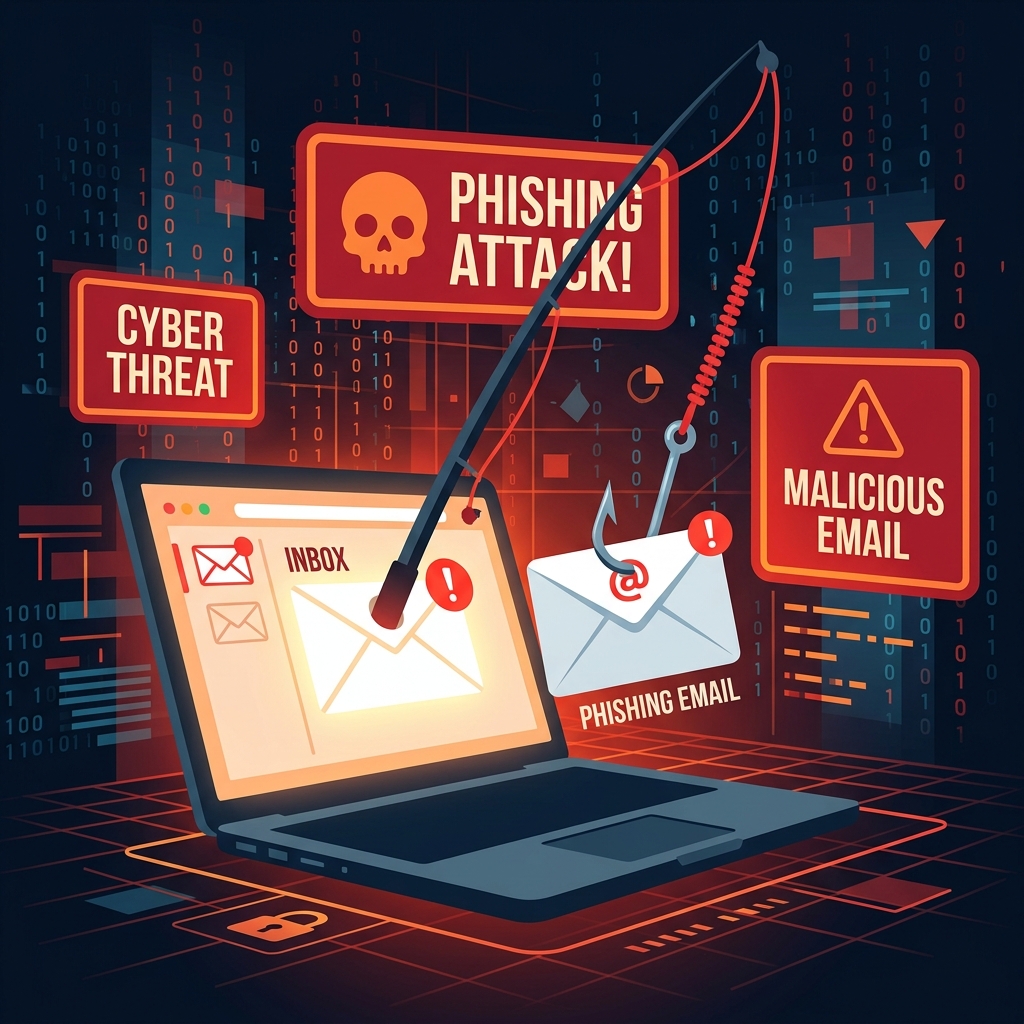
The same AI capabilities are being weaponized by attackers. AI can now generate highly personalized, grammatically perfect phishing emails at massive scale, making the traditional "grammar and spelling" test for phishing detection increasingly unreliable. Cybersecurity experts predict a significant increase in AI-generated phishing attacks through 2027 and beyond.
AI-Powered Email Filters
In response, email providers are deploying increasingly sophisticated AI-based filtering. These systems analyze thousands of signals — sender reputation, content patterns, behavioral signals, link analysis — to identify threats that rule-based filters miss. The AI arms race in email security will intensify significantly over the next five years.
Trend 2: Privacy Regulations Will Reshape Email Marketing
The global wave of privacy regulation that began with GDPR in 2018 is accelerating. More countries are implementing comprehensive data protection laws with real enforcement teeth. Key implications for email:
- Stricter consent requirements: Pre-ticked boxes and vague consent will become legally unacceptable in more markets. Opt-in must be explicit, informed, and documented.
- Right to erasure: Users will have stronger and more universally enforced rights to demand that companies delete their email addresses and associated data.
- Cross-border data restrictions: Companies will face increasing limitations on transferring email data across jurisdictions.
This regulatory pressure will push email marketing toward smaller, higher-quality lists — benefiting users who are tired of mass marketing blasts.
Trend 3: The Rise of Privacy-First Communication
As awareness of data privacy grows, a significant segment of users is actively choosing privacy-first communication tools:
- Encrypted email services (ProtonMail, Tutanota) are experiencing rapid user growth as privacy-conscious users seek alternatives to surveillance-heavy free email providers.
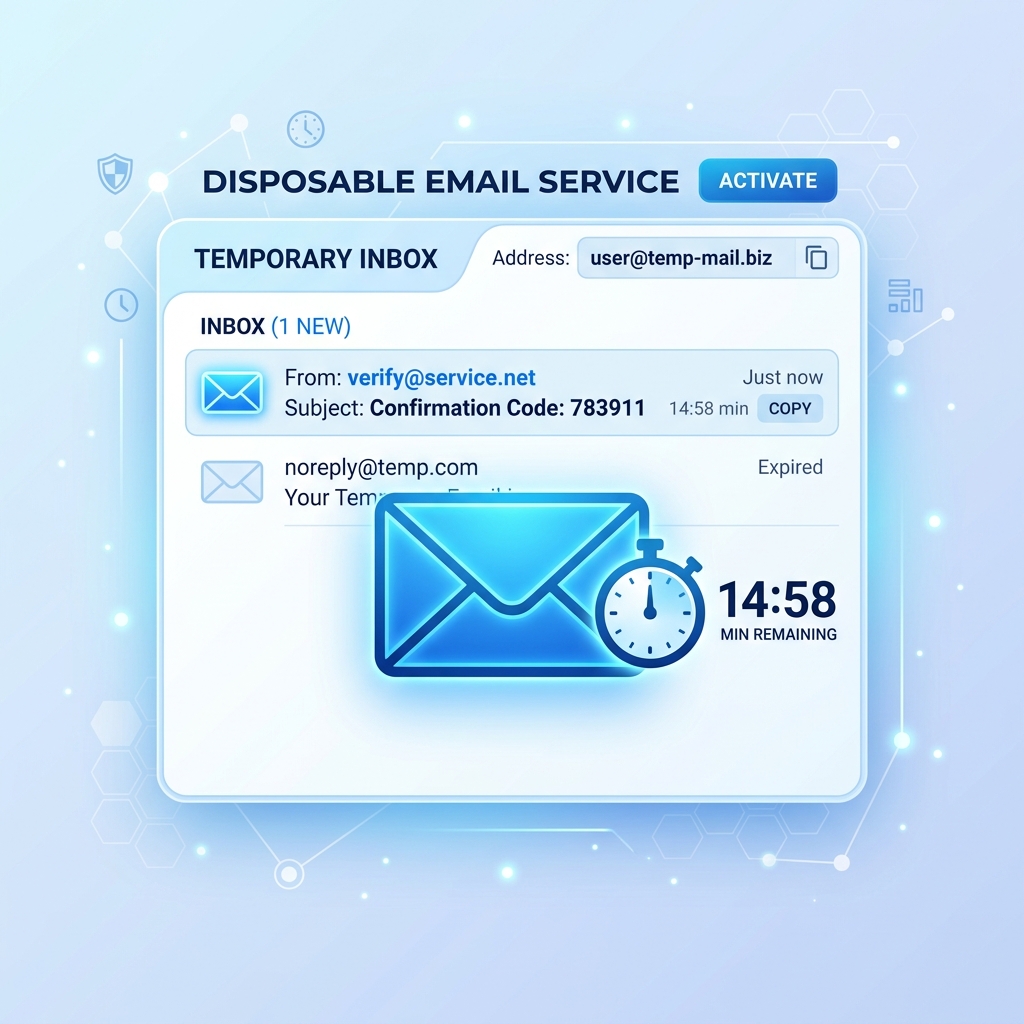
- Temporary and anonymous email services are growing in both usage and technological sophistication, as more people understand the value of separating their real identity from online activities. Learn more about why temp emails are essential in 2026.
- Email aliasing services are making it easy to maintain separate email identities for different contexts without managing multiple accounts.
Trend 4: Decentralized and Web3 Email
Experimental decentralized email protocols aim to remove central authorities from email infrastructure entirely. Rather than relying on corporate email providers who control your data, decentralized email would give users sovereignty over their own communications. While still in early development, projects in this space are attracting serious investment and developer attention.
Trend 5: The Inbox as a Control Surface
Future email clients will increasingly function as intelligent dashboards rather than simple message containers. Expect to see:
- AI-curated priority inboxes that surface what matters and suppress what doesn't
- Automated subscription management that identifies and handles marketing email with no user input
- Integrated identity controls that let you manage which services can send you email from within the client
- Real-time spam and phishing detection with visual trust indicators
What This Means for You Today
The trends above point in a consistent direction: the value of protecting your primary email address is increasing, while the tools to do so are becoming more accessible. The habits you build today — using temporary emails for non-essential sign-ups, enabling 2FA, using encrypted services for sensitive communications — will serve you even better as these trends mature.
The future of email rewards those who are intentional about their digital identity. Start building those habits now.
Conclusion
Email is not dying — it is evolving. The next decade will bring more intelligent tools, stronger privacy protections, and more sophisticated threats in equal measure. By staying informed and adopting privacy-forward practices today, you position yourself to navigate this evolution with confidence. Explore our complete guide to online privacy for the full toolkit to protect your digital future.